


Clutch cylinders for trucks
The clutch cylinder for trucks is an important component of the hydraulic or pneumatic clutch system and is responsible for operating the clutch. By converting the pressure from the clutch pedal into a controlled movement, the cylinder enables smooth disengagement and gear shifting. A properly functioning clutch cylinder contributes to comfortable driving, reliable performance, and a longer lifespan of the complete clutch system, even under intensive use. At BAS Parts & Tyres, you will find a wide range of clutch cylinders for various truck brands and models. Whether you are looking for a complete cylinder or a replacement component for the clutch system, we supply both new and used solutions directly from stock. This way, you can quickly find the right clutch cylinder that fits your truck and application.
Read more
Loading...
Loading...
717 Parts foundInformation
Products
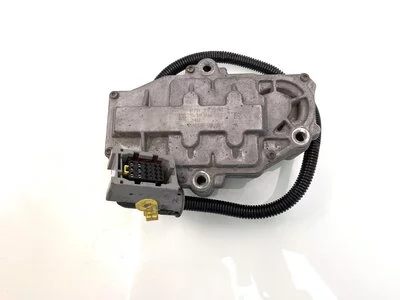

Solenoid valve Volvo 21965284
Ref. no. BP0247747_UP (Used)
Volvo
Genuine

€195.00

Delivery to NL in 1-2 days
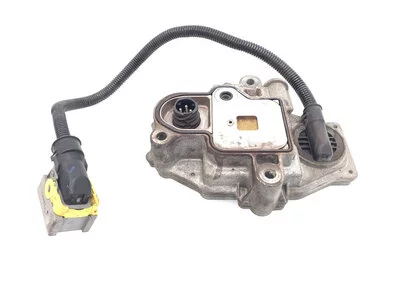
Solenoid valve Renault 7421965284
Ref. no. BP0247745_UP (Used)
Renault
Genuine
€195.00
Delivery to NL in 1-2 days
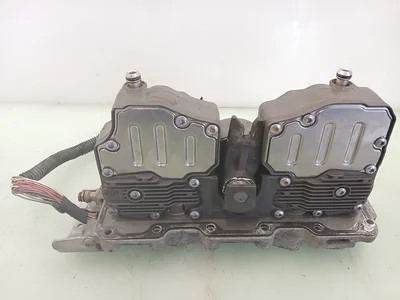
Solenoid valve Volvo 22251205
Ref. no. BP0247166_XP-186483 (Item with flaws)
Volvo
Genuine
€675.00
Delivery to NL in 1-2 days
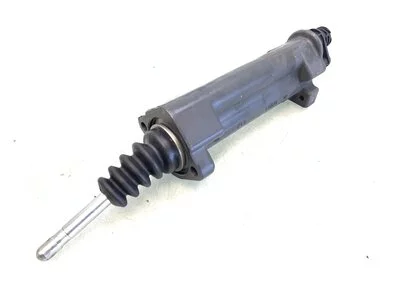
Clutch cilinder DAF 1780055
Ref. no. BP0404722_YP (Like new)
DAF
Genuine
€795.00
Delivery to NL in 1-2 days
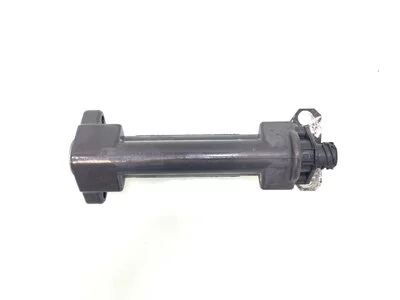
Clutch cilinder DAF 1780055
Ref. no. BP0404722_XP-148658 (Item with flaws)
Dismantled from:
DAF LF (2001 - 2013)
DAF
Genuine
€150.00
Delivery to NL in 1-2 days
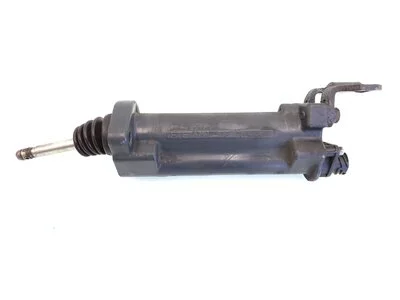
Clutch cilinder DAF 1780055
Ref. no. BP0404722_UP (Used)
DAF
Genuine
€475.00
Delivery to NL in 1-2 days
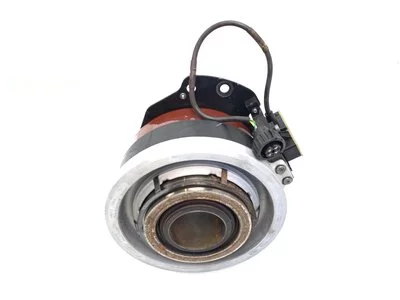
Clutch cilinder Volvo 20733471
Ref. no. BP0066759_UP (Used)
Volvo
Genuine
€125.00
Delivery to NL in 1-2 days
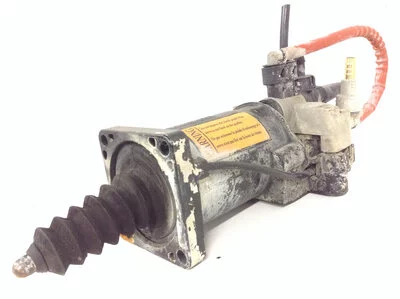
Control cylinder Volvo 21074336
Ref. no. BP0030420_UP (Used)
Volvo
Genuine
€195.00
Delivery to NL in 1-2 days
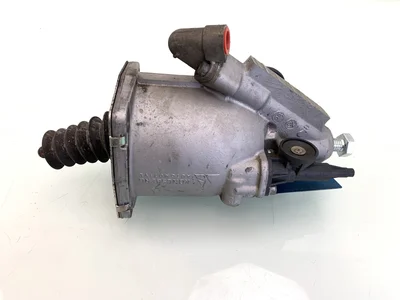
Clutch cilinder Volvo 20812692
Ref. no. BP0029706_UP (Used)
Volvo
Genuine
€195.00
Delivery to NL in 1-2 days
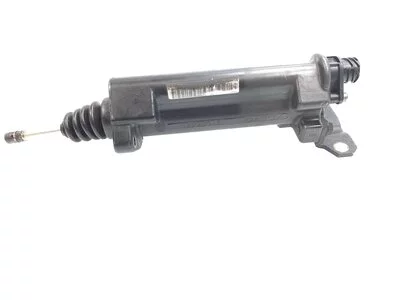
Clutch cilinder Volvo 21056561
Ref. no. BP0145574_UP (Used)
Volvo
Genuine
€475.00
Delivery to NL in 1-2 days
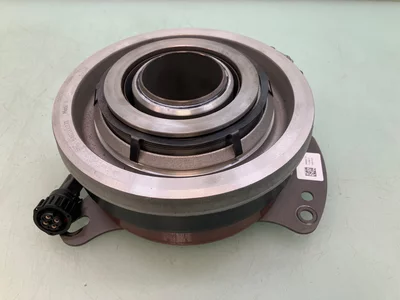
Cylinder Volvo 20806452
Ref. no. BP0537094_YP (Like new)
Volvo
Genuine
€595.00
Delivery to NL in 1-2 days
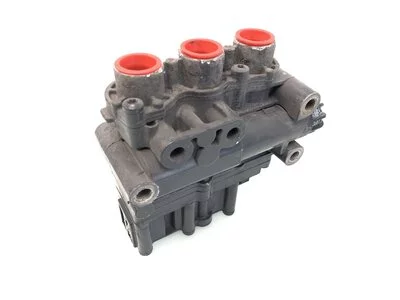
Solenoid valve DAF 1888015
Ref. no. BP0541607_UP (Used)
DAF
Genuine
€150.00
€75.00
Delivery to NL in 1-2 days
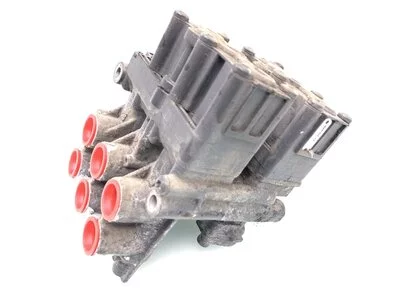
Solenoid valve DAF 1888016
Ref. no. BP0541081_UP (Used)
DAF
Genuine
€450.00
Delivery to NL in 1-2 days
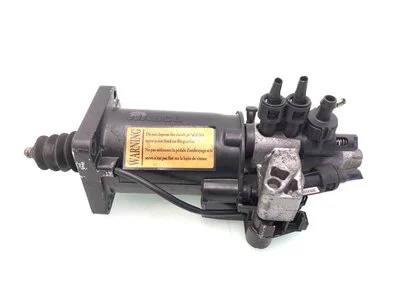
Clutch cilinder Renault 7420933629
Ref. no. BP0361045_UP (Used)
Renault
Genuine
€195.00
Delivery to NL in 1-2 days
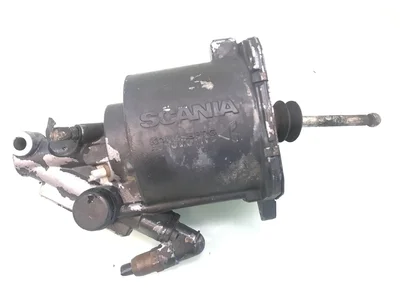
Clutch servo Scania 1523399
Ref. no. BP0899149_UP (Used)
Scania
Genuine
€135.00
Delivery to NL in 1-2 days
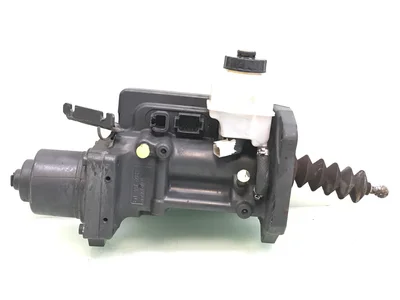
Clutch cilinder Scania 2290706
Ref. no. BP0895649_UP-199673 (Used)
Dismantled from:
Scania G-Serie (2016 - present)
Scania
Genuine
€745.00
Delivery to NL in 1-2 days
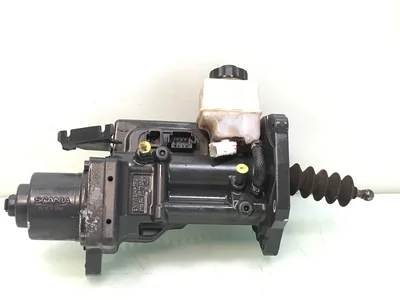
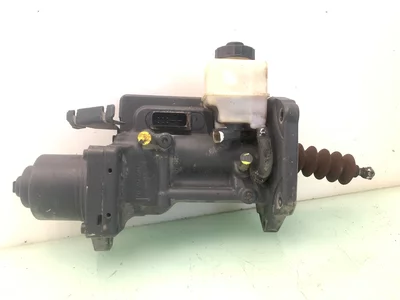
Clutch cilinder Scania 2290706
Ref. no. BP0895649_UP-197410 (Used)
Scania
Genuine
€745.00
Delivery to NL in 1-2 days
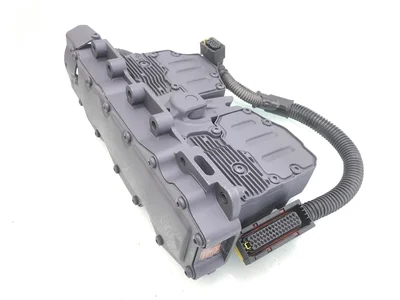
Clutch cilinder MAN 81307256123
Ref. no. BP0906276_UP (Used)
MAN
Genuine
€545.00
Delivery to NL in 1-2 days
SPECIAL OFFER
Solenoid valve Volvo 22251205
Ref. no. BP0893011-199157 (Remanufactured)
Volvo
Genuine
€1,195.00
Delivery to NL in 1-2 days
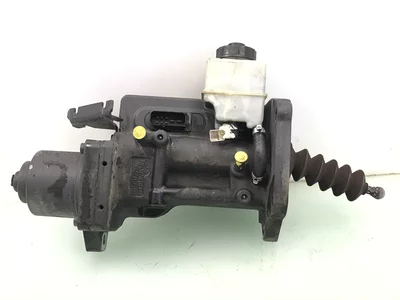
Clutch cilinder Scania 1849429
Ref. no. BP0871471_XP-183737 (Item with flaws)
Dismantled from:
Scania R-Serie (2016 - present)
Scania
Genuine
€495.00
Delivery to NL in 1-2 days
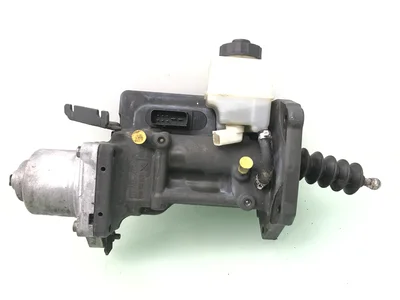
Clutch cilinder Scania 1849429
Ref. no. BP0871471_XP-180141 (Item with flaws)
Dismantled from:
Scania R-Serie (2016 - present)
Scania
Genuine
€495.00
Delivery to NL in 1-2 days
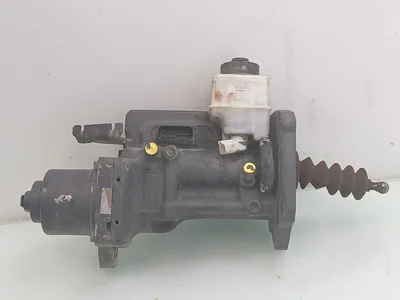
Clutch cilinder Scania 1849429
Ref. no. BP0871471_UP-200094 (Used)
Dismantled from:
Scania P-Serie (2016 - present)
Scania
Genuine
€675.00
Delivery to NL in 1-2 days
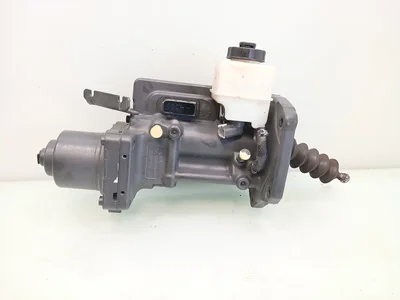
Clutch cilinder Scania 1849429
Ref. no. BP0871471_UP-197772 (Used)
Scania
Genuine
€625.00
Delivery to NL in 1-2 days
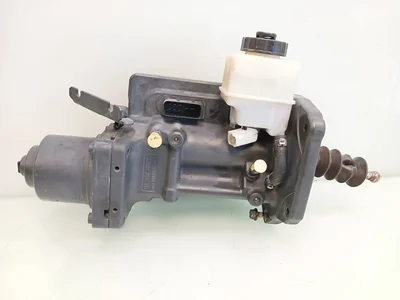
Clutch cilinder Scania 1849429
Ref. no. BP0871471_UP-197223 (Used)
Scania
Genuine
€625.00
Delivery to NL in 1-2 days