


Truck belts
Belts play an important role in driving various engine components, such as the alternator, water pump, and air conditioning compressor. A properly functioning belt ensures reliable operation of these systems and prevents downtime or engine damage. Due to wear, cracks, or loss of tension, performance can decrease, making timely inspection and replacement essential. At BAS Parts & Tyres, you will find a wide range of new and used belts for various trucks. Thanks to our large stock and fast delivery, you can quickly find the right belt that perfectly fits your truck and application.
Read more
Loading...
Loading...
939 Parts foundInformation
Products
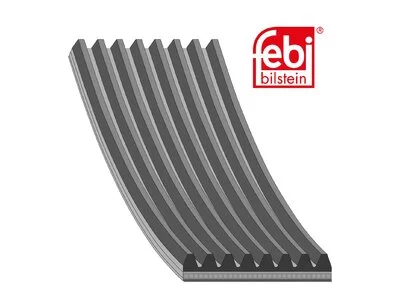
Auxiliary belt Febi 20997774
Ref. no. BP0142863 (New)
Febi
Alternative

€21.50

Delivery to NL in 2-3 days
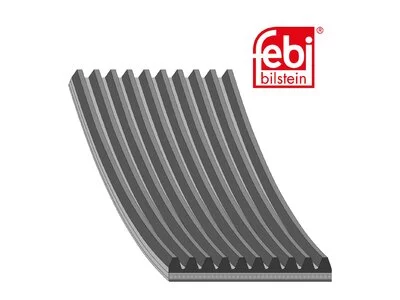
Auxiliary belt Febi 10PK1188
Ref. no. BP0137481 (New)
Febi
Alternative
€16.50
Delivery to NL in 2-3 days
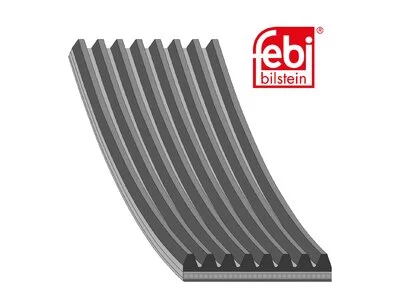
Auxiliary belt Febi 8PK1260
Ref. no. BP0124728 (New)
Febi
Alternative
€16.00
Delivery to NL in 2-3 days
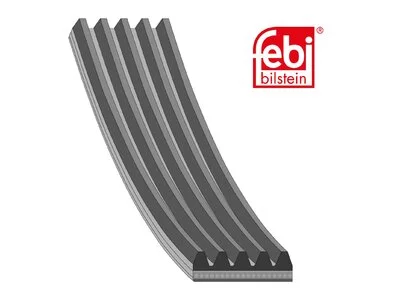
Auxiliary belt Febi 5PK1455
Ref. no. BP0115356 (New)
Febi
Alternative
€11.00
Delivery to NL in 2-3 days
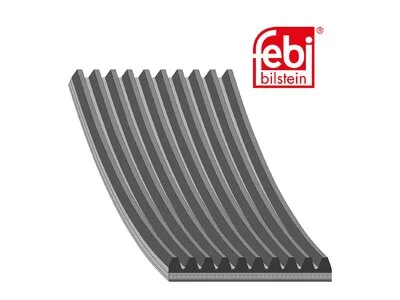
Auxiliary belt Febi 10PK1435
Ref. no. BP0112874 (New)
Febi
Alternative
€23.00
Delivery to NL in 2-3 days
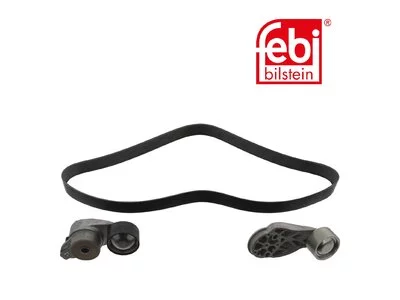
Auxiliary belt Febi 11709635 S1
Ref. no. BP0086532 (New)
Febi
Alternative
€145.00
Delivery to NL in 2-3 days
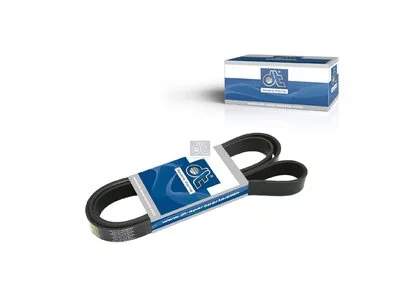
Auxiliary belt DT Spare Parts 9069972692
Ref. no. BP0021474 (New)
DT Spare Parts
Alternative
€26.50
Delivery to NL in 2-3 days
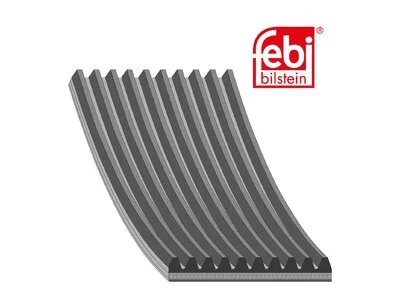
Auxiliary belt Febi 10PK1350
Ref. no. BP0021472 (New)
Febi
Alternative
€20.50
Delivery to NL in 2-3 days
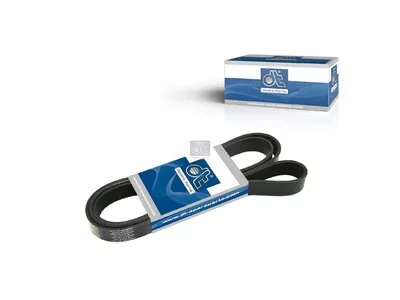
Auxiliary belt DT Spare Parts 9069975092
Ref. no. BP0021415 (New)
DT Spare Parts
Alternative
€17.00
Delivery to NL in 2-3 days
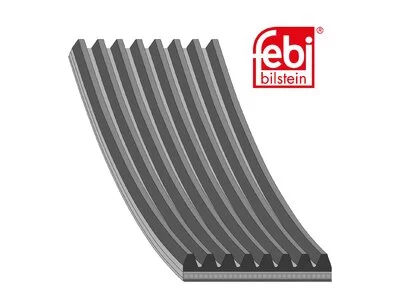
Auxiliary belt Febi 74 22 275 092
Ref. no. BP0021407 (New)
Febi
Alternative
€20.00
Delivery to NL in 2-3 days
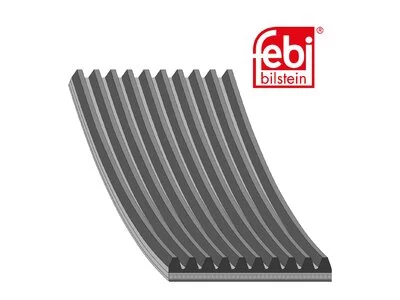
Auxiliary belt Febi 981390
Ref. no. BP0021400 (New)
Febi
Alternative
€24.00
Delivery to NL in 2-3 days
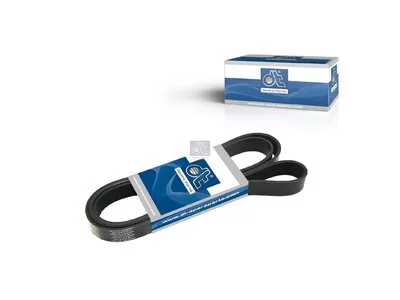
Auxiliary belt DT Spare Parts 51968200325
Ref. no. BP0021398 (New)
DT Spare Parts
Alternative
€35.50
Delivery to NL in 2-3 days
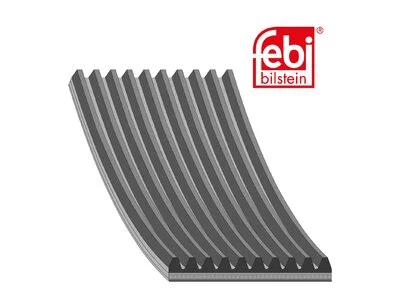
Auxiliary belt Febi 981389
Ref. no. BP0021394 (New)
Febi
Alternative
€25.00
Delivery to NL in 2-3 days
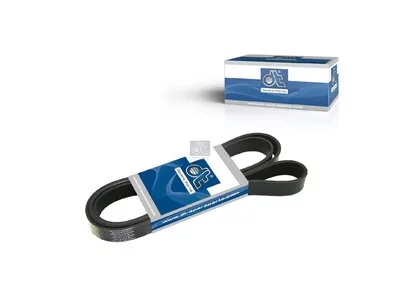
Auxiliary belt DT Spare Parts 51968200310
Ref. no. BP0021389 (New)
DT Spare Parts
Alternative
€25.00
Delivery to NL in 2-3 days
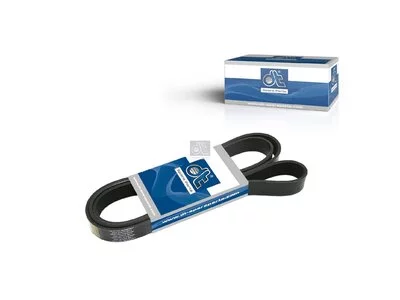
Auxiliary belt DT Spare Parts 981338
Ref. no. BP0021387 (New)
DT Spare Parts
Alternative
€22.50
Delivery to NL in 2-3 days
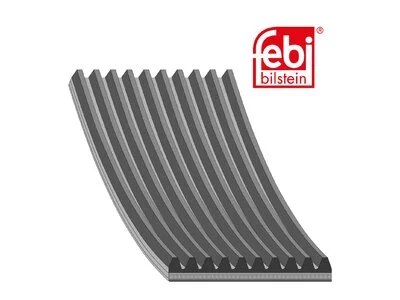
Auxiliary belt Febi 10PK1145
Ref. no. BP0021385 (New)
Febi
Alternative
€18.00
Delivery to NL in 2-3 days
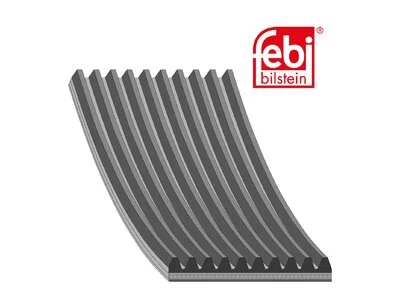
Auxiliary belt Febi 10PK1108
Ref. no. BP0021377 (New)
Febi
Alternative
€18.00
Delivery to NL in 2-3 days
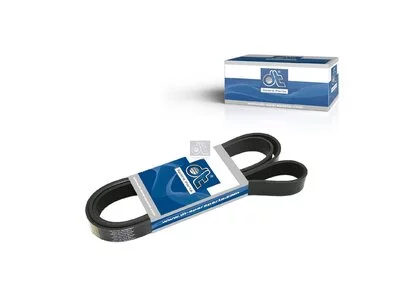
Auxiliary belt DT Spare Parts 7420558734
Ref. no. BP0021371 (New)
DT Spare Parts
Alternative
€19.00
Delivery to NL in 2-3 days
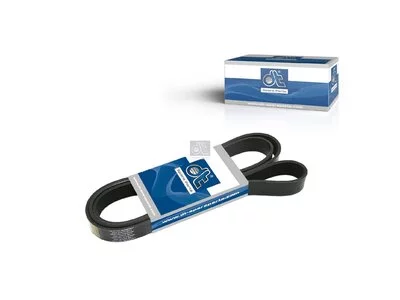
Auxiliary belt DT Spare Parts 981331
Ref. no. BP0021368 (New)
DT Spare Parts
Alternative
€21.00
Delivery to NL in 2-3 days
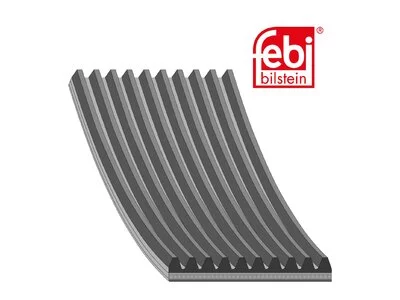
Auxiliary belt Febi 10PK1070
Ref. no. BP0021366 (New)
Febi
Alternative
€15.50
Delivery to NL in 2-3 days
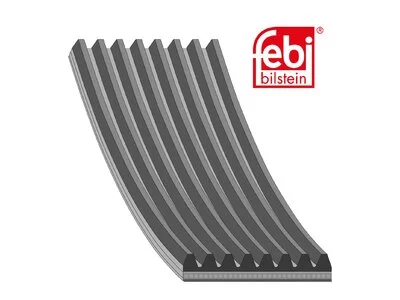
Auxiliary belt Febi 51968200367
Ref. no. BP0021357 (New)
Febi
Alternative
€18.00
Delivery to NL in 2-3 days
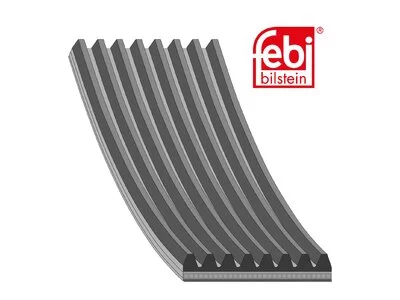
Auxiliary belt Febi 8PK1440
Ref. no. BP0021353 (New)
Febi
Alternative
€20.00
Delivery to NL in 2-3 days
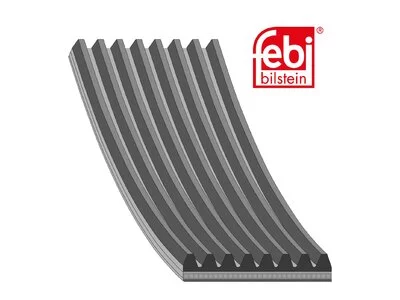
Auxiliary belt Febi 20430368
Ref. no. BP0021348 (New)
Febi
Alternative
€11.00
Delivery to NL in 2-3 days
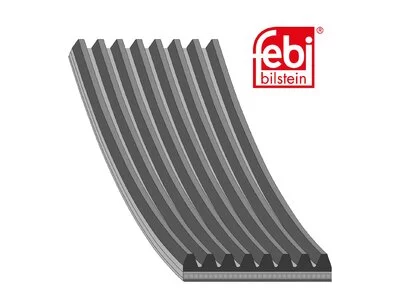
Auxiliary belt Febi 8PK975
Ref. no. BP0021339 (New)
Febi
Alternative
€11.50
Delivery to NL in 2-3 days