


Complete chassis for trucks
A complete truck chassis forms the foundation of your vehicle and determines its stability, load capacity, and durability. At BAS Parts & Tyres, you will find a wide range of high-quality complete chassis for various truck brands and models. Our components are designed to provide maximum reliability and optimal performance, ensuring that your truck remains safe, efficient, and durable in operation.
Read more
Loading...
Loading...
34 Parts foundInformation
Products
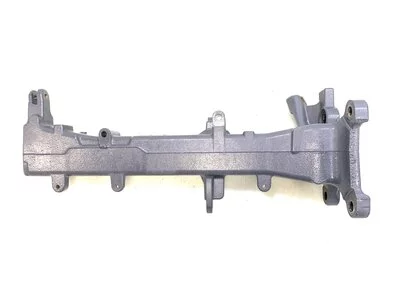

Chassis beam DAF 2314994
Ref. no. BP0853194_UP (Used)
DAF
Genuine

€225.00

Delivery to NL in 1-2 days
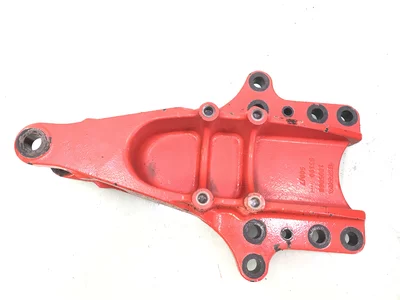
Support Scania 1805088
Ref. no. BP0871440_UP (Used)
Scania
Genuine
€195.00
Delivery to NL in 1-2 days
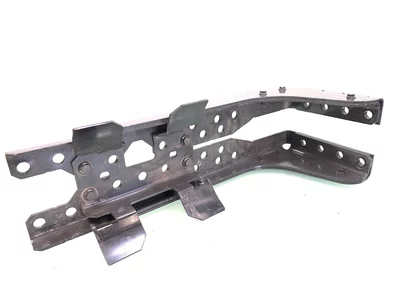
Air boiler support Mercedes A 960 432 00 16
Ref. no. BP0871421_YP (Like new)
Mercedes
Genuine
€35.00
Delivery to NL in 1-2 days
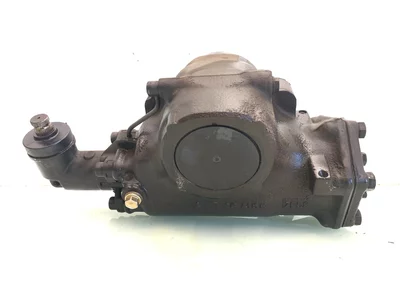
Steering unit Renault 5010600210
Ref. no. BP0016753_UP (Used)
Renault
Genuine
€375.00
Delivery to NL in 1-2 days
Repair kit CEI 50 01 865 610
Ref. no. BP0856887 (New)
CEI
Premium quality
€82.50
Delivery to NL in 6-7 days
Bearing CEI 50 01 847 827
Ref. no. BP0856837 (New)
CEI
Premium quality
€38.50
Delivery to NL in 6-7 days
Support CEI 50 01 860 799
Ref. no. BP0856834 (New)
CEI
Premium quality
€37.50
Delivery to NL in 6-7 days
Cross CEI 50 01 860 801
Ref. no. BP0856828 (New)
CEI
Premium quality
€22.00
Delivery to NL in 6-7 days
Stuurstangeindstuk CEI 74 85 114 544
Ref. no. BP0914759 (New)
CEI
Alternative
€58.00
Delivery to NL in 6-7 days
Stuurstangeindstuk CEI 50 01 873 808
Ref. no. BP0914756 (New)
CEI
Alternative
€37.50
Delivery to NL in 6-7 days
Complete chassis for trucks
A complete truck chassis forms the load-bearing foundation of a truck. The chassis consists of chassis side rails, crossmembers and various mounting points on which the cab, engine, gearbox, axles, suspension, fuel tanks and bodywork are mounted, among other components. A strong and undamaged chassis is essential for the stability, safety and load capacity of the vehicle.
At BAS Parts & Tyres, you will find complete chassis for trucks of various makes, models and specifications. When selecting a suitable chassis, it is important to consider the chassis number, wheelbase, axle configuration, dimensions and technical specification of the truck.
What is a complete truck chassis?
A complete truck chassis is the frame to which the main vehicle components are attached. The chassis supports the weight of the truck, the bodywork and the load. At the same time, it distributes the forces generated during driving, braking, steering and loading across the entire structure.
The exact composition of a complete chassis may vary depending on the vehicle and product. Some chassis are supplied as a frame only, while other versions may still be fitted with axles, suspension, air tanks, tanks, brackets or other chassis components.
Important components of a truck chassis
Chassis side rails
The chassis side rails run along the length of the truck and form the main load-bearing parts of the chassis. The dimensions, material thickness and shape of these rails are matched to the vehicle weight, axle configuration and intended application of the truck.
Crossmembers
Crossmembers connect the chassis side rails and provide additional strength and torsional rigidity. They help prevent the chassis from twisting or deforming when the truck is heavily loaded or driven over uneven road surfaces.
Chassis brackets and mounting points
Various brackets and mounting points are located on and around the chassis. These can be used to install the cab, engine, gearbox, axles, fuel tanks, battery box, exhaust components and bodywork, among other components.
Front and rear axle assembly
Depending on the specification, a complete chassis may be supplied with one or more axles. The position, load capacity and drive configuration of these axles partly determine the axle configuration and suitability of the truck for specific applications.
Air suspension or leaf suspension
The chassis may be equipped with air suspension, leaf suspension or a combination of both. The type of suspension depends on the truck model, axle configuration and the application for which the vehicle was built.
Which components can be supplied with a complete chassis?
The components supplied vary for each complete truck chassis. Depending on the vehicle and its dismantling status, the following components may be included:
- Chassis side rails and crossmembers.
- Front axle and rear axle.
- Air suspension or leaf suspension.
- Chassis brackets and mounting brackets.
- Air tanks and air lines.
- Fuel tanks and tank brackets.
- Battery box and battery box brackets.
- Fifth wheel or fifth wheel mounting plate.
- Cab mounts.
- Rear chassis crossmember.
- Mudguard brackets.
- Steering system or steering box brackets.
Always check the product description and product photos to determine which components are actually included with the chassis.
When should a complete truck chassis be replaced?
The complete chassis may need to be replaced when the load-bearing structure has been seriously damaged. Replacement is particularly relevant when repairing individual chassis components is technically impossible, economically unviable or no longer safe.
Severe accident damage
In a serious collision, chassis side rails, crossmembers and mounting points may bend or crack. Even when the damage is not immediately visible, the chassis dimensions may have changed. This can affect axle alignment, driving characteristics and the installation of other vehicle components.
Corrosion and material loss
Moisture, dirt and road salt can cause severe corrosion. When the material thickness of the chassis side rails or crossmembers has decreased significantly, the structural strength of the chassis is reduced.
Cracking and metal fatigue
Prolonged and heavy loads can cause cracks around welds, drilled holes and mounting points. This is particularly common in trucks that are used intensively, heavily loaded or regularly driven on poor road surfaces.
Incorrectly performed modifications
Poorly executed welding, additional drilled holes or unprofessional lengthening and shortening can compromise the strength of the chassis. A specialist must assess whether repair is still responsible or whether the complete chassis needs to be replaced.
Symptoms of a damaged truck chassis
Chassis damage is not always immediately visible. The following signs may indicate deformation, wear or structural damage:
- Visibly bent or twisted chassis side rails.
- Cracks around welds, drilled holes or mounting points.
- Severe rust or material loss.
- A cab or body structure that sits unevenly.
- Problems with axle alignment.
- Uneven or accelerated tyre wear.
- The truck pulls to one side while driving.
- Loose chassis components.
- Unusual vibrations, creaking noises or metallic sounds.
- Differences in the distances between axles and chassis components.
Choosing the right complete chassis for your truck
A complete chassis must technically and structurally match the truck. A chassis from the same make or model is not automatically interchangeable. Differences in year of manufacture, wheelbase, cab specification, axle configuration and application may be decisive.
Check the chassis number
The chassis number or VIN is an important starting point when searching for a suitable chassis. It can be used to check the original vehicle specifications.
Compare the wheelbase
The wheelbase is the distance between the front and rear axles or between the different axle groups. This dimension determines the vehicle length, turning circle, weight distribution and suitability for a particular body configuration, among other factors.
Check the axle configuration
Complete chassis are available for various axle configurations, such as 4x2, 6x2, 6x4, 8x2 and 8x4. Check the number of axles, their positions and which axles are driven or steered.
Check the dimensions
Compare the length, width, height and material thickness of the chassis side rails. The position of the crossmembers, mounting holes and chassis brackets must also match the intended application.
Check the mounting points
Check whether the mounting points for the cab, engine, gearbox, axles, tanks, battery box and bodywork are in the correct positions. Differences may make additional modifications necessary.
Complete chassis for various truck makes
BAS Parts & Tyres offers complete chassis and chassis components for various European truck makes, including:
- DAF
- IVECO
- MAN
- Mercedes-Benz
- Renault Trucks
- Scania
- Volvo Trucks
Availability varies by make, model, year of manufacture, wheelbase and axle configuration. Therefore, always use the vehicle details and chassis number when searching for a suitable chassis.
Used complete truck chassis
A used complete truck chassis can be a cost-effective solution for repairing or rebuilding a truck. The chassis may come from a dismantled donor vehicle and may still be fitted with various components and mounting brackets.
Advantages of a used chassis
A used chassis is often available more quickly and is more affordable than a new chassis. Reuse also contributes to the circular use of truck parts.
Inspecting a used chassis
Carefully inspect a used chassis for deformation, cracks, corrosion, welding and previous repairs. The dimensions, axle configuration and positions of the mounting points must also be compared.
Signs of use and previous installation
A used chassis may have surface rust, drilled holes and signs of previous installation. These signs of use do not necessarily present a problem, provided the structural strength and dimensions have not been compromised.
What should you check on a used truck chassis?
- Whether both chassis side rails are straight and dimensionally accurate.
- Whether the crossmembers are bent or cracked.
- The presence of rust and material loss.
- Any previous welding and straightening work.
- The position and condition of the mounting holes.
- The wheelbase and total chassis length.
- The axle configuration and axle positions.
- The condition of brackets and mounting supports.
- Which chassis components are included.
- Whether the chassis number and vehicle details match.
Can a truck chassis be lengthened or shortened?
In certain cases, a truck chassis can be lengthened or shortened. This may be necessary when the wheelbase must be adapted for a different body configuration or application. Such modifications affect the strength, weight distribution and driving characteristics of the vehicle.
Chassis modifications must be carried out in accordance with the truck manufacturer's guidelines and the applicable technical regulations. Not every part of a chassis may be drilled, welded, shortened or lengthened without restriction.
Why should a damaged chassis be replaced promptly?
The chassis is the foundation of the entire truck structure. Damage to the frame can affect wheel alignment, cab mounting, bodywork, the drivetrain and the general stability of the vehicle. Continuing to drive with a seriously damaged chassis can lead to further damage and unsafe situations.
By having the chassis inspected promptly and replaced where necessary, the truck remains safe, reliable and suitable for its intended work.
Order a complete truck chassis from BAS Parts & Tyres
At BAS Parts & Tyres, you will find complete truck chassis and associated chassis components for various makes and specifications. When searching, always check the chassis number, wheelbase, axle configuration and technical specifications.
With the correct vehicle details, the specialists at BAS Parts & Tyres can help you find a suitable complete chassis for your truck.
Frequently asked questions about complete truck chassis
What is a complete truck chassis?
A complete truck chassis is the load-bearing frame of a truck. It consists of chassis side rails, crossmembers and mounting points for the cab, drivetrain, axles, suspension, tanks and bodywork, among other components.
Which components are supplied with a complete chassis?
The composition varies by chassis. In addition to the chassis side rails and crossmembers, axles, suspension, brackets, air tanks, tanks, a battery box and mounting components may be included. Always check the product description to see which components are included.
How can I identify damage to a truck chassis?
Possible signs include bent chassis side rails, cracks, severe corrosion, a misaligned cab or body, axle alignment problems, uneven tyre wear and unusual vibrations.
How do I choose the right complete chassis for my truck?
Check the chassis number, truck make, model, year of manufacture, wheelbase, axle configuration, dimensions and the positions of the mounting points. These details determine whether the chassis matches the truck and the intended application.
Can a used truck chassis be installed safely?
A used chassis may be suitable if it is straight, dimensionally accurate and structurally in good condition. Have it checked beforehand for cracks, deformation, corrosion and previous repairs.
Can a truck chassis be lengthened or shortened?
This is possible with certain chassis, but the work must be carried out in accordance with the manufacturer's guidelines and the applicable technical regulations. An incorrect modification can affect the strength and weight distribution of the chassis.
When should a complete truck chassis be replaced?
Replacement may be necessary in the event of severe accident damage, major deformation, cracking, metal fatigue or corrosion that compromises structural strength. A specialist can assess whether repair is still safe and responsible.
For which truck makes are complete chassis available?
BAS Parts & Tyres offers complete chassis and chassis components for DAF, IVECO, MAN, Mercedes-Benz, Renault Trucks, Scania and Volvo Trucks, among others. Availability varies by model, year of manufacture and specification.